How to subscribe to a service for building an online store?
How to subscribe to a service for building an online store? You found the platform. You’re about to hand over your card details and hit subscribe.…
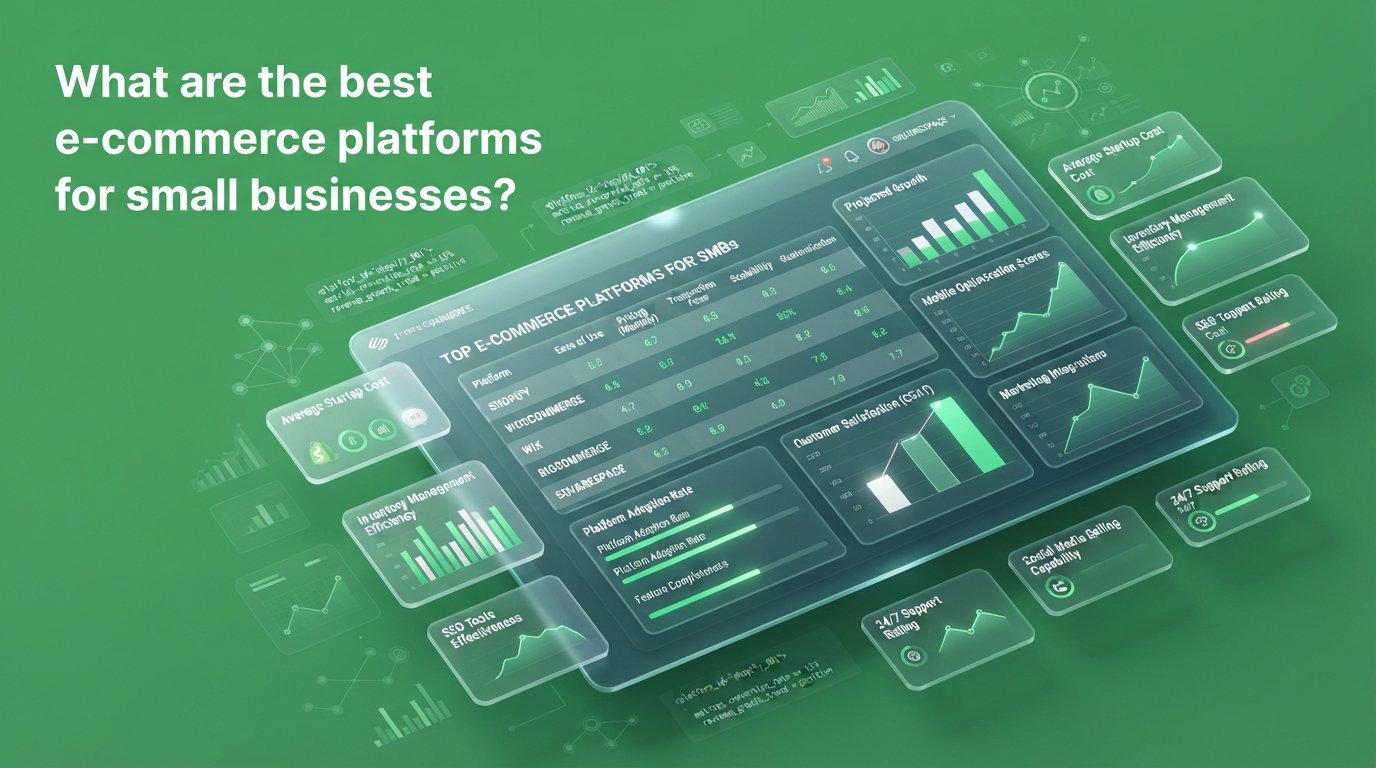
You picked your platform two years ago based on a YouTube video and a free trial. It seemed fine at the time.
Now you’re paying for apps to patch what the platform doesn’t do natively. Your dev bills are creeping up. Checkout still feels clunky on mobile, and you’ve started wondering if the problem is your ads, your prices, or something you can’t quite name.
Here’s the uncomfortable part: most businesses don’t switch platforms because it’s broken. They switch because it was never actually right for them and nobody looked hard enough at the start.
The platform isn’t the whole business. But pick wrong, and it taxes every part of it.
Your e-commerce platform should act as a powerful engine for your brand, not an expensive administrative burden that quietly bleeds your profits through hidden app fees and constant firefighting. By choosing a setup that genuinely matches your technical capacity and 18-month trajectory, you eliminate operational friction and free your team to focus on scaling. Stop wrestling with the wrong tool and build your foundation for sustainable growth today.
Every platform comparison online does the same thing. It lists features side by side abandoned cart emails, POS integration, app marketplace size and lets you pick the one with more checkmarks.
That’s the wrong way to decide.
Feature lists tell you what’s possible. They don’t tell you what’s going to eat your Tuesday afternoons for the next three years. A platform with 8,000 apps sounds powerful until you realize you’re the one installing, configuring, and debugging half of them.
The real question isn’t “what can this platform do.” It’s “who absorbs the friction when something goes wrong me, my developer, or the platform’s own team?”
Every e-commerce platform sits somewhere on a spectrum: fully managed on one end, fully self-hosted on the other. That single fact explains almost every complaint you’ll read about any of them.
Managed platforms (Shopify, BigCommerce) trade some flexibility for someone else handling hosting, security, uptime, and updates. You pay a monthly fee, and in exchange, 2am server crashes are not your problem.
Self-hosted platforms (WooCommerce) hand you the keys and the responsibility. Lower sticker price, more control and you or someone you hire becomes the de facto IT department.
Neither is better in the abstract. One is better for your business, at your current size, with your current team. That’s the actual decision. Not “which platform has more features” which platform matches how much operational work you’re actually equipped to absorb right now.
So what does that look like, platform by platform?

Shopify is the default answer for a reason. Hosting, security, PCI compliance, and uptime are handled for you, and the checkout is genuinely fast and well-tested that alone converts better for a lot of stores.
Where it costs you:
Best fit: you want to launch fast, you don’t want to manage servers, and you’d rather pay monthly than pay a developer hourly.
WooCommerce is free, open-source, and runs on WordPress which means if you already have a WordPress site, your blog and your store can live in one place.
The catch is that “free” only describes the software. According to Store Leads’ live platform database, which tracks e-commerce stores across the web, WooCommerce still runs on more active stores worldwide than any other single platform proof it works at scale, not proof it’s effortless. Someone still has to choose hosting, install security plugins, manage updates, and fix what breaks when a plugin update conflicts with another plugin update.
Best fit: you already run WordPress, you have some technical comfort (or a developer on retainer), and you want maximum control over cost and customization.
BigCommerce gets less attention than it deserves. It’s fully managed like Shopify, but built with fewer app-dependency gaps more is native out of the box, particularly for B2B features and multi-channel selling.
Best fit: you’re past the “just getting started” phase and need more built-in horsepower without hiring a dev team.
Both are genuinely good at what they’re built for a beautiful, simple site with a store attached. If you’re selling a small catalog of products alongside a portfolio or a service business, either can work well.
Where they show their limits: inventory management, multi-currency selling, and scaling past a modest number of SKUs. These weren’t built commerce-first. They were built design-first, with commerce added on.
Best fit: a small catalog, a design-focused brand, and no near-term plan to scale into complex fulfillment or multi-channel selling.
Worth naming directly: Etsy and Amazon aren’t platforms for your store. They’re traffic sources you rent space in. Great for discovery, terrible as your only home you don’t own the customer relationship, the data, or the rules.
The smart move for most growing brands is using marketplaces as a channel while building the actual business on a platform you control.
Skip the feature-list comparison. Run this instead:
Be honest about whether that’s you, a hire, or nobody.
Simple catalog vs. variants, subscriptions, or B2B pricing changes the answer fast.
Pick for where you’re headed, not just where you are migrating platforms later is expensive and slow.
An existing WordPress site tilts hard toward WooCommerce. Starting from zero tilts toward Shopify or BigCommerce.
Answer those four honestly, and the “best” platform stops being a debate. It becomes obvious.
This is close to the exact audit we run with new e-commerce clients at THEMAYK because platform choice touches everything downstream: conversion rate, ad performance, and how much your team spends firefighting instead of growing. We usually find the leak isn’t the platform itself. It’s a mismatch between the platform and the business running on it.
If you’re not sure your current setup is actually right for you, let’s find out. Book a free audit at www.themayk.com.
Your e-commerce platform should act as a powerful engine for your brand, not an expensive administrative burden that quietly bleeds your profits through hidden app fees and constant firefighting. By choosing a setup that genuinely matches your technical capacity and 18-month trajectory, you eliminate operational friction and free your team to focus on scaling. Stop wrestling with the wrong tool and build your foundation for sustainable growth today.
Because in 2026, the difference between a “No” and a “Yes” isn’t your tech stack it’s the human strategy behind it. Let’s turn your digital ghost town into a conversion machine.
How to subscribe to a service for building an online store? You found the platform. You’re about to hand over your card details and hit subscribe.…
What are the best e-commerce platforms for small businesses? You picked your platform two years ago based on a YouTube video and a free trial. It…
How to subscribe to a service for building an online store? You pick a $39-a-month plan, add a theme, a reviews app, and a shipping calculator,…
How we use your info: Used strictly to review your project, prepare tailored insights, and reach out for a 1-on-1 strategy call. Zero spam, zero shared data.