How to Avoid Regret Buying the Xbox Nano Controller
How to Avoid Regret Buying the Xbox Nano Controller The Xbox Nano Controller is $49.99, pocket-sized, and open for pre-order. The headlines make it sound like…
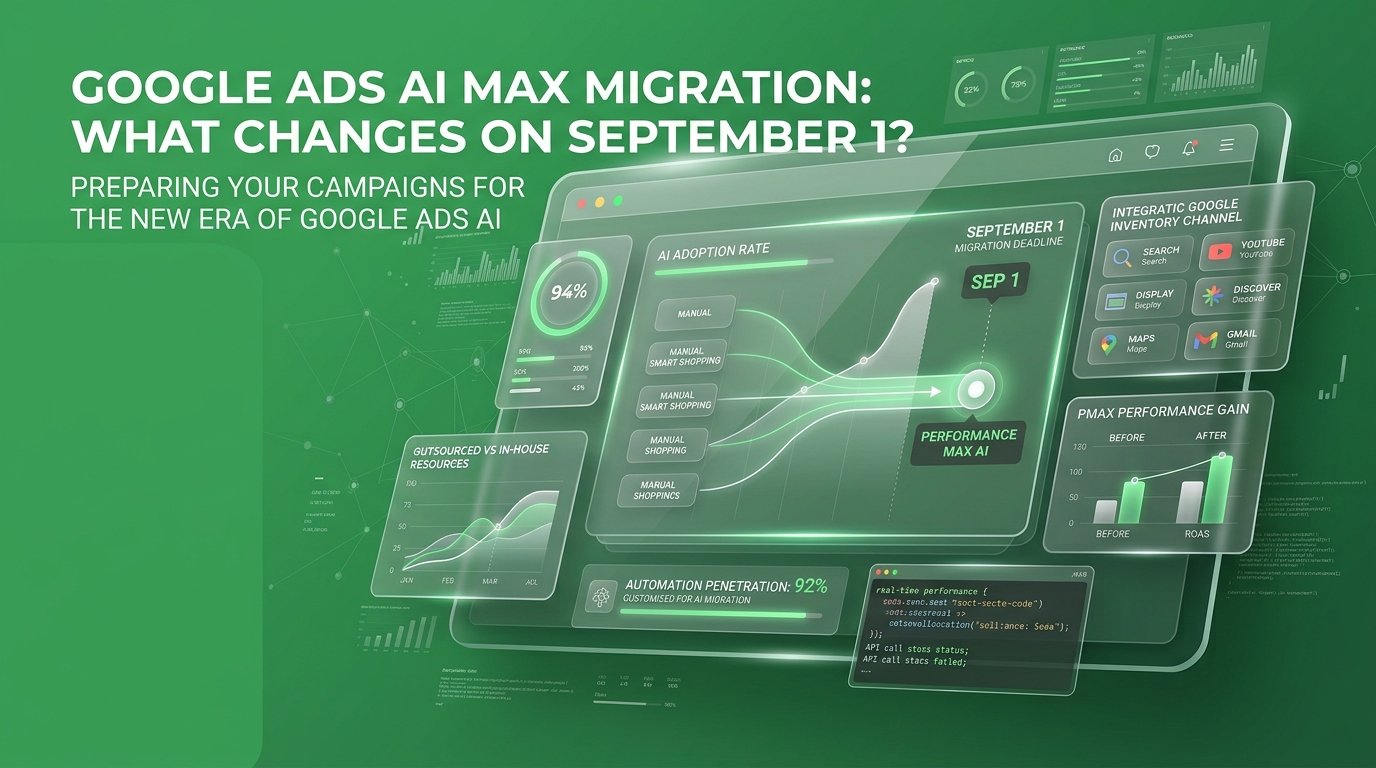
On September 1, Google starts automatically upgrading Search campaigns to AI Max. No click required from you.
Google’s own messaging says the transition will “mirror” what you’re already running. That’s true for the interface.
It’s not fully true for how your ads get triggered. If you’re running Automatically Created Assets or the campaign-level Broad Match setting, a targeting behavior you never opted into is about to switch on by default.
Allowing Google’s migration to run on autopilot risks exposing your Search campaigns to unvetted query matching and automated ad copy that may not align with your business goals. Proactively auditing your accounts lets you define broad match boundaries, protect branded search terms, and selectively enable text customization. By taking charge of your settings now, you ensure your ad spend continues to drive qualified, high-intent traffic.
This isn’t a suggestion or a banner you can dismiss. Google confirmed the mechanics on its Ads Developer Blog: creating new Campaign-level Broad Match settings or legacy Automatically Created Assets configurations was already switched off on August 3.
From September 1 through September 30, every remaining eligible campaign gets converted. Not scheduled. Converted.
If you built your account three years ago and haven’t touched these settings since, Google is about to touch them for you.
Here’s what most of the “don’t worry, nothing changes” takes are missing.
According to Google’s own AI Max documentation, features you enabled before adopting AI Max broad match settings, brand settings, text customization get “fully upgraded into and managed within the AI Max suite.” That’s not a rename. That’s a merge.
The two cohorts don’t land in the same place:
Search term matching is the part that matters. Automatically Created Assets used to touch your creative only which headline showed, which description ran. It never decided which searches your ad was eligible for.
Come September, it will.

Step back and the pattern is bigger than one setting. Google isn’t renaming a feature. It’s collapsing creative automation and query targeting into a single AI-managed layer, and defaulting existing accounts into it.
That’s a reasonable direction for the product. It’s a different thing to describe it to advertisers as preserving “existing campaign behavior as closely as possible,” when the behavior itself which searches trigger your ad is what’s changing for the ACA cohort.
Read the settings page after the migration. Don’t assume “mirrored” means “identical.”
You’ve probably seen the stat by now: Google reports that AI Max for Search campaigns sees an average of 7% more conversions or conversion value at a similar CPA or ROAS when advertisers use the full feature suite.
Read that sentence again. It’s comparing the full feature suite search term matching, text customization, and Final URL expansion together against search term matching alone. It is not a comparison against your old legacy setup.
If your campaign auto-upgrades into the Broad Match cohort, you get search term matching only. You will not automatically see the 7% Google is quoting, because you won’t have the full suite running unless you turn the rest on yourself.
The number is real. It just isn’t describing what’s about to happen to most accounts by default.
You’ve got days, not weeks. Here’s the order to work through it in.
If you haven’t touched match types since 2023, start here.
ACA campaigns get search term matching plus text customization. Broad Match–only campaigns get search term matching alone. Know which bucket each campaign falls into before the 1st, not after.
Google’s in-account banner lets you set the full feature suite or a narrower one instead of accepting whatever the auto-migration assigns your cohort.
Search term matching changes what shows up in that report. Compare against your pre-migration numbers, not last year’s.
Creation was already blocked on August 3, and full API support for the old structures is expected to sunset around September 2027 plenty of runway, but worth flagging now rather than discovering it mid-quarter.
Do this before the 1st, and you’re making the decision. Skip it, and Google’s default settings make it for you.
Before AI Max touches a single one of our clients’ accounts, we’re pulling this exact list every campaign on ACA or campaign-level Broad Match, matched against what each one auto-upgrades into. It takes about an hour per account and it’s the difference between choosing your settings and inheriting them.
If you want a second set of eyes on your account before the 1st, talk to our paid media team this is the kind of Search campaign work we’re heads-down on this week anyway.
Google’s automatic shift to AI Max takes control of your keyword eligibility away from legacy settings. Rather than letting default conversions dictate your search targeting, audit your account immediately. Review affected campaigns, strengthen your negative keyword lists, and manually configure your AI Max preferences to maintain control over your budget and traffic quality before the September deadline.
Because in 2026, the difference between burned runway and profitable growth isn’t Google’s new AI algorithm it’s the human strategy keeping it in check. Don’t let default AI Max settings turn your ad account into a cash burn. We align your targeting, lock down your budget, and build a precision strategy to turn your campaign into a conversion machine.
How to Avoid Regret Buying the Xbox Nano Controller The Xbox Nano Controller is $49.99, pocket-sized, and open for pre-order. The headlines make it sound like…
Is the Xbox Nano Controller Actually Comfortable? You’ve read the headlines: five inches, 3.5 ounces, $49.99, all 18 inputs. Everyone’s calling it cute. Nobody’s answered the…
How to Master Social Media Marketing Fast You are posting three times a week on Instagram and LinkedIn. Your designer makes pristine templates, and your team…
How we use your info: Used strictly to review your project, prepare tailored insights, and reach out for a 1-on-1 strategy call. Zero spam, zero shared data.