
How to Avoid Regret Buying the Xbox Nano Controller
How to Avoid Regret Buying the Xbox Nano Controller The Xbox Nano Controller is $49.99, pocket-sized, and open for pre-order. The headlines make it sound like…
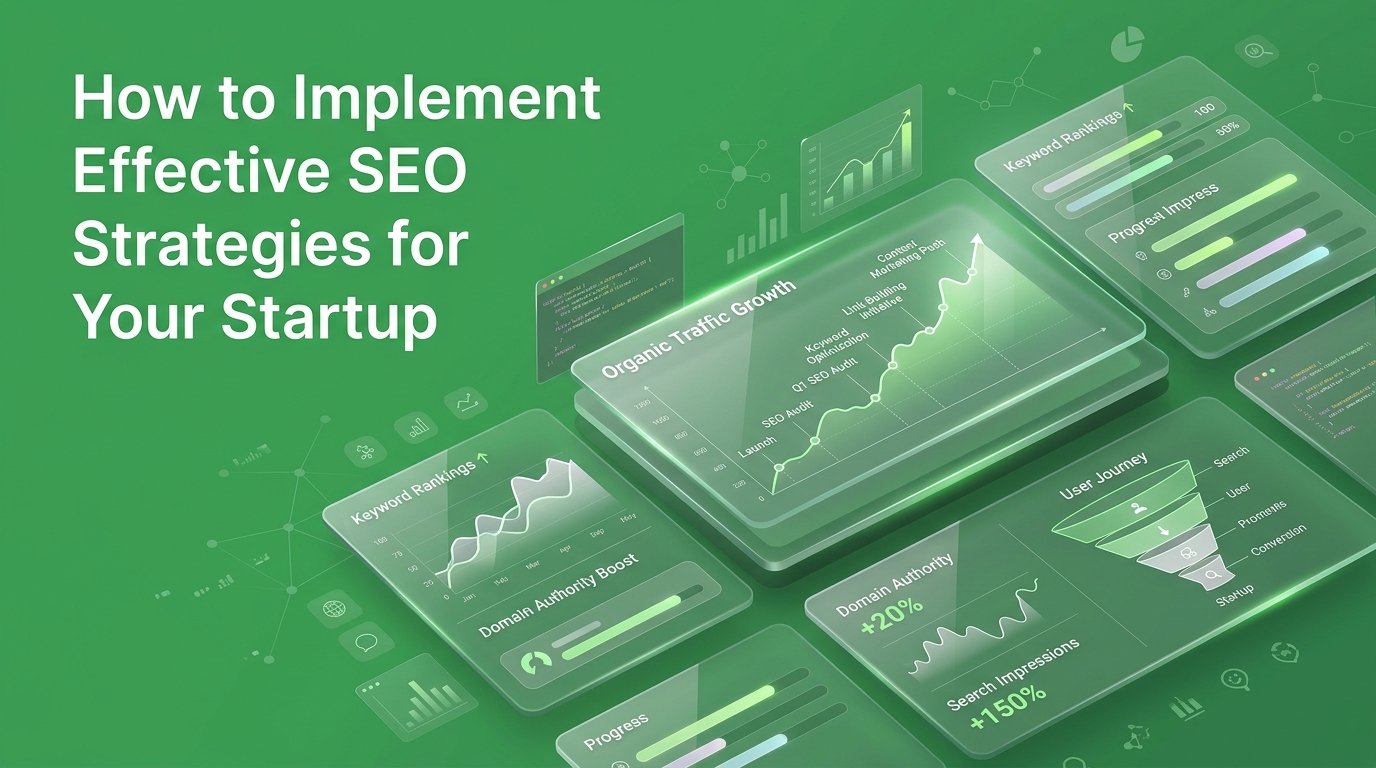
Are you struggling to gain traction despite publishing consistently and following every checklist online? Mastering a startup SEO strategy isn’t just about cranking out content it’s about doing the right things at the right time. When early-stage companies jump straight into content creation without a solid technical foundation, months of hard work often yield little to no organic traffic.
Understanding proper SEO sequencing is the secret to breaking through the noise and building predictable, compounding growth. In this guide, you’ll learn how to build a rock-solid technical SEO foundation, conduct intent-based keyword research, and structure content using topic clusters. We’ll also cover how to optimize site performance, turn visitors into leads with CRO, and track the exact metrics that drive real business results.
Most founders mistake SEO for a publishing race, but publishing on a technically flawed site is just burning cash. When crawl errors, slow load speeds, and bad site architecture hide your best ideas from Google, more content won’t save you. Fix your sequence, repair the underlying infrastructure, and give your content the solid foundation it actually needs to rank and convert.
Here’s the pattern we see with almost every early-stage founder who comes to us frustrated with their organic traffic.
They open a keyword tool. They pick a handful of high-volume terms. They hand a list to a writer and start publishing on a schedule.
None of that works if the foundation underneath it is broken. A blog post can’t rank if Google can’t crawl your site properly. A perfect keyword means nothing if your page takes six seconds to load. Content can’t convert if a visitor lands on a page that doesn’t answer the question they searched for.
Most startup SEO strategies aren’t wrong. They’re just built in the wrong order.
That’s not a content problem. That’s an infrastructure problem wearing a content costume.
SEO isn’t a campaign you run. It’s compounding infrastructure you build.
That’s a hard truth for a founder used to moving fast. Ahrefs studied over a million newly published pages and found fewer than 2% cracked Google’s top 10 within their first year. The page currently sitting in the number one spot, on average, is about five years old.
That doesn’t mean SEO doesn’t work for startups. It means most founders quit or panic-pivot right before the compounding starts to show up.
Here’s where it gets interesting. The startups that do break through early aren’t the ones publishing the most content. They’re the ones who fixed the boring stuff first: site speed, crawlability, clear page structure, and content that actually matches what the searcher wants.
Recent HubSpot research puts blog content among the highest-ROI formats marketers use today. But that ROI only shows up when the content sits on a site engineered to earn it, not bolted onto one that isn’t.
There’s a second layer most people miss: how a page is written affects how it ranks. Nielsen Norman Group’s eye-tracking research shows readers scan pages in an F-shaped pattern, hitting the first few words of a line hardest before their attention drops off. Google tracks how long people stay and whether they bounce straight back to the results page. A wall of text that nobody reads sends the same signal as a page nobody wanted.
Skimmable content isn’t just nicer to read. It’s a ranking signal in disguise.
This is the exact order we run for every startup client before we touch a single blog topic.
Do a crawl audit to get indexed correctly, and you get a site Google can actually read. Check site speed, mobile rendering, broken links, and duplicate pages before anything else. None of the content work below matters if this step is skipped.
Do proper keyword research instead of chasing the biggest number in the tool, and you get traffic that’s actually ready to buy. A term with 200 searches a month from people who are ready to act beats a term with 5,000 searches from people who are just browsing.
Group related content around one core theme instead of scattering single articles, and you signal topical authority to Google. This is also how you write content that actually converts instead of just filling a content calendar.
Structure every page for skimmers with short paragraphs, descriptive subheadings, and a page built around conversion rate optimization, and you turn traffic into pipeline instead of just a vanity metric.
Watch website analytics like crawl rate, indexed pages, and time on page in the early months, and you catch problems long before rank tracking would ever show them. Waiting on keyword position alone in month two is watching the wrong dashboard.
Run it in this order. Skip a step and the ones after it get harder, not easier.
This is the exact process we walk every new client through before we write a single blog post: full technical crawl, intent-based keyword map, and a content structure built to rank on page one instead of just get published.
It usually takes us about a week, and it almost always uncovers three or four fixes nobody had flagged before.
If your SEO feels like it’s going nowhere, the content probably isn’t the problem. The sequence is. Let’s find out where yours broke down book a strategy call with THEMAYK.
If your SEO strategy feels stuck, the content itself probably isn’t the problem the sequence is. Stop wasting resources on articles that won’t rank on a broken foundation. When you fix your technical health, target high-intent search terms, and build true topical authority, your organic traffic actually compounds. Let’s find out where your process broke down book a strategy call with “TheMayk” today and build an engine that drives real revenue.
Because in 2026, the difference between a “No” and a “Yes” isn’t your tech stack it’s the human strategy behind it. Let’s turn your digital ghost town into a conversion machine.
How to Avoid Regret Buying the Xbox Nano Controller The Xbox Nano Controller is $49.99, pocket-sized, and open for pre-order. The headlines make it sound like…
Is the Xbox Nano Controller Actually Comfortable? You’ve read the headlines: five inches, 3.5 ounces, $49.99, all 18 inputs. Everyone’s calling it cute. Nobody’s answered the…
How to Master Social Media Marketing Fast You are posting three times a week on Instagram and LinkedIn. Your designer makes pristine templates, and your team…
How we use your info: Used strictly to review your project, prepare tailored insights, and reach out for a 1-on-1 strategy call. Zero spam, zero shared data.