
How to Avoid Regret Buying the Xbox Nano Controller
How to Avoid Regret Buying the Xbox Nano Controller The Xbox Nano Controller is $49.99, pocket-sized, and open for pre-order. The headlines make it sound like…
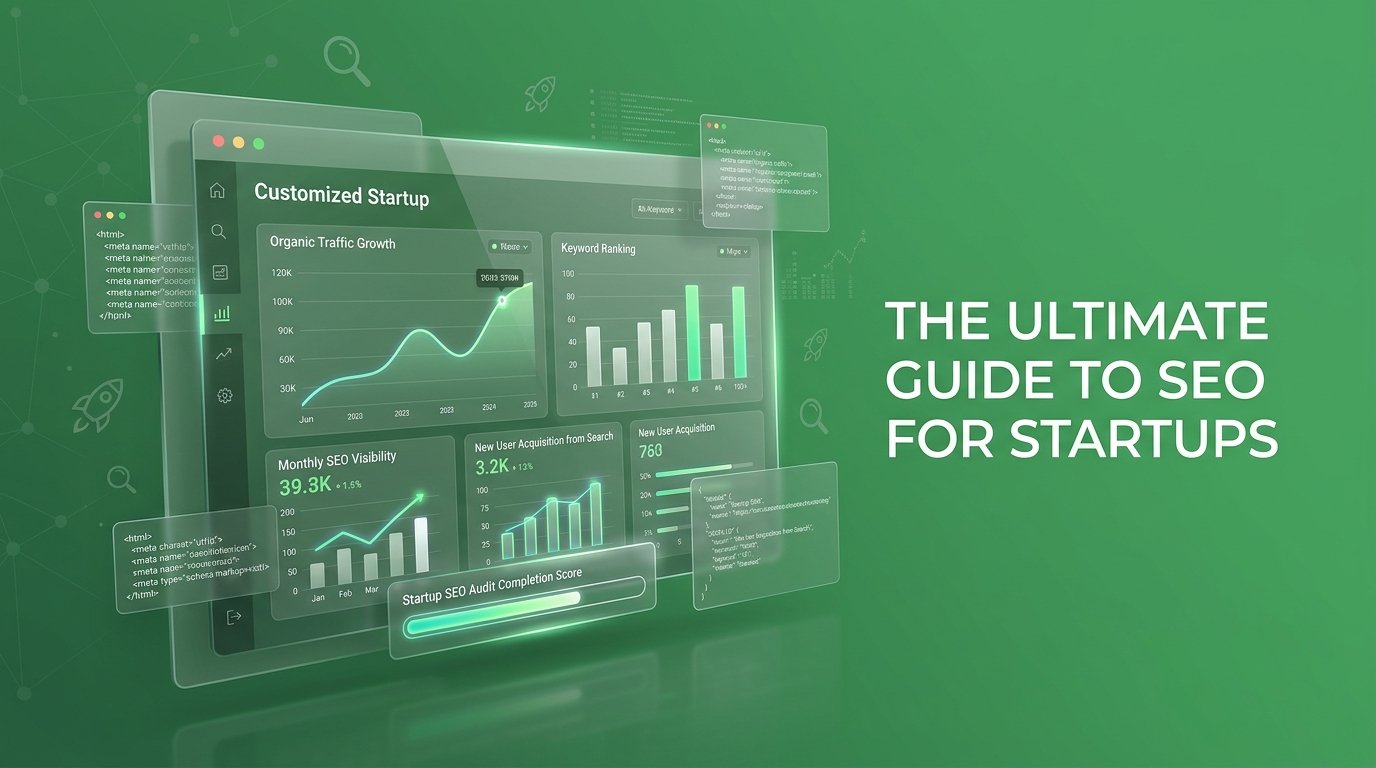
If you’ve been following every standard checklist online but still aren’t seeing results, you’re not alone. Mastering SEO strategies for startups comes down to one critical factor most founders overlook: proper timing. When early-stage companies jump into writing blog posts and buying backlinks before getting the core sequence right, they burn months of effort for zero organic visibility.
Building a search presence isn’t about secret tricks; it’s about executing the fundamentals in the exact order search engines reward. In this guide, we reveal the step-by-step SEO framework we use for our own clients. You’ll learn how to establish a clean technical SEO foundation, target high-intent keywords, structure authority-building topic clusters, and track the performance metrics that actually drive compounding revenue.
SEO doesn’t fail startups; wrong sequencing does. When you build on a sound technical foundation, target genuine intent, and create structured, link-worthy content, search engines take notice. Growth starts quietly with crawl stats and impression gains long before keyword ranks spike. Stick to the sequence, give the strategy room to compound, and watch organic search turn into your startup’s most reliable, non-stop engine for qualified customer acquisition.
Here’s the trap almost every startup falls into. A founder reads that content marketing works, hires a writer, and starts publishing twice a week. Three months later, traffic is flat.
The instinct is to blame the content. The content is rarely the problem. The site underneath it usually is.
If your pages load slowly, if your URL structure is a mess, if half your site isn’t even indexed no amount of blogging fixes that. You’re pouring water into a bucket with a hole in the bottom.
Publishing more without fixing the foundation just means you’re burning more content on the same broken system.
Six things, done in this order, not all at once and not out of sequence.
Crawlability comes first. If Google’s bots can’t reach and read your pages, none of the content strategy below matters.
Check these before anything else:
This step is boring. It’s also the one most agencies skip because it doesn’t look like “content.”
Once your site is readable, figure out what it should be found for. This is where proper keyword research separates startups that grow from startups that publish into silence.
A keyword with 300 monthly searches from someone ready to buy beats a keyword with 5,000 searches from someone just browsing. Startups with limited traffic can’t afford to waste it on the wrong intent.
This is where most “content strategy” advice gets it backwards. It’s not about hitting a word count. It’s about matching what the searcher actually needs, in the order they need it.
Group related topics into clusters instead of scattering one-off posts. That’s also how you end up writing content that actually converts instead of content that just exists.
Longer isn’t better. Complete is better.
Most visitors don’t read your page. They scan it. Short paragraphs, descriptive subheadings, and bolded key ideas aren’t a style choice they’re what keeps someone on the page long enough for Google to notice they stayed.
Pair this with a conversion-focused page structure so the traffic you earn actually turns into something. Ranking without converting is just an expensive hobby.
This is the part every startup wants to skip, and it’s roughly half of what determines whether you rank. A single link from a site your industry actually trusts outweighs twenty from directories nobody visits.
The fastest legitimate paths for an early-stage company:
Don’t wait until month three to check if this is working. Track indexed pages, crawl activity, and time on page through website analytics from week one. These move long before keyword position does, and they tell you exactly where the plan is breaking.
If you’re only watching rankings, you’re watching the slowest dashboard in the building.
SEO takes longer to show up than founders expect, and that’s exactly why so many startups abandon it too early.
HubSpot’s most recent State of Marketing data puts blog content among the highest-ROI formats marketers use right now. That return isn’t instant. It compounds, which means the founders who see it are the ones who didn’t stop at month four.
The data on ranking timelines backs this up. Ahrefs’ analysis of over a million pages found that fewer than 2% cracked Google’s top 10 within their first year, and today’s average #1-ranking page is around five years old.
That’s not a reason to avoid SEO. It’s a reason to start now instead of six months from now, and to stop judging the strategy by week eight.
Before we touch a single blog topic for a new client, we run a technical crawl, an intent-based keyword map, and a content plan built to actually rank on page one not just get published and hope.
It takes about a week. It almost always surfaces three or four fixes nobody had caught yet.
If your startup’s SEO feels stalled, it’s rarely the content. It’s the order everything happened in. Let’s find out where yours went sideways book a strategy call with THEMAYK.
SEO isn’t a quick win it is a compounding growth engine that rewards patience and precise execution. When you follow the right order by fixing your technical foundation, targeting high-intent keywords, and creating genuinely useful content, results inevitably follow. Stop publishing blindly into a broken site. Focus on the proper sequence today, stay consistent through the quiet early months, and watch your organic search traffic become your startup’s strongest growth channel.
Because in 2026, the difference between a “No” and a “Yes” isn’t your tech stack it’s the human strategy behind it. Let’s turn your digital ghost town into a conversion machine.
How to Avoid Regret Buying the Xbox Nano Controller The Xbox Nano Controller is $49.99, pocket-sized, and open for pre-order. The headlines make it sound like…
Is the Xbox Nano Controller Actually Comfortable? You’ve read the headlines: five inches, 3.5 ounces, $49.99, all 18 inputs. Everyone’s calling it cute. Nobody’s answered the…
How to Master Social Media Marketing Fast You are posting three times a week on Instagram and LinkedIn. Your designer makes pristine templates, and your team…
How we use your info: Used strictly to review your project, prepare tailored insights, and reach out for a 1-on-1 strategy call. Zero spam, zero shared data.