
How to Avoid Regret Buying the Xbox Nano Controller
How to Avoid Regret Buying the Xbox Nano Controller The Xbox Nano Controller is $49.99, pocket-sized, and open for pre-order. The headlines make it sound like…
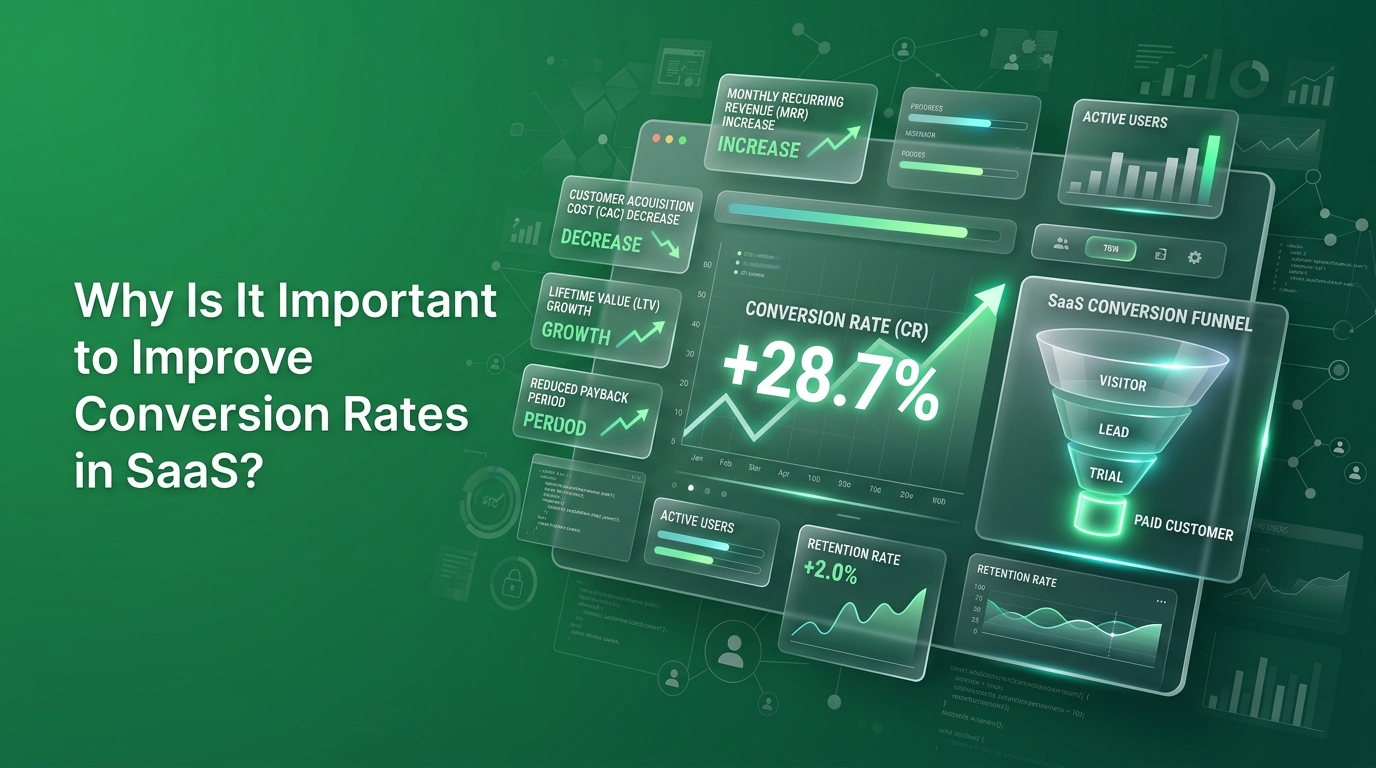
You’re running a SaaS product with real signups coming in every week. The trial numbers look healthy on your dashboard. Then the billing cycle rolls around and half those accounts just… disappear.
Your team probably calls that churn. It’s not churn. It’s a conversion rate problem, and it’s been sitting in plain sight since the week you launched.
We hear a version of this every month. A founder shows us a dashboard full of green arrows signups up, traffic up, cost per click holding steady. Then we ask one question: what percentage of trial users paid you last month? Most of the time, nobody in the room knows the exact figure off the top of their head. That silence is usually the whole problem.
Most SaaS trials fail not because your product lacks depth, but because you let users drift away without achieving a single win. The moment someone signs up, a countdown timer starts. If they don’t experience your “Aha!” moment within the first five minutes, they’ll close the tab and never return. They aren’t busy; they’re just uninspired. Stop onboarding them with tours; guide them directly to their first small victory instead.
Most SaaS teams are watching the wrong number. They obsess over signups, impressions, and marketing qualified leads while the number that actually pays the bills the share of trial users who become paying customers sits three tabs deep in a spreadsheet nobody opens.
That habit is getting more expensive by the month. Marketers now rank lead-to-customer conversion rate and customer acquisition cost among their top five priorities for 2026, right behind lead quality. Traffic is no longer the scarce resource. Attention is. And attention you’ve already paid for is the most expensive thing in your business to waste.
Here’s what that looks like inside most SaaS companies we talk to:
We built a full funnel analysis practice because this gap shows up in almost every audit we run. Founders are proud of top-of-funnel growth and quietly embarrassed by what happens after.
This isn’t a niche concern anymore, either. Conversion rate optimization is now the second most-used tactic among marketers, trailing only audience segmentation, according to HubSpot’s 2026 State of Marketing research. The teams pulling ahead in 2026 aren’t the ones buying the most clicks. They’re the ones converting more of the clicks they already have.
And the trial-to-paid number varies more than most founders assume. Depending on your model and industry, a “good” conversion rate could sit anywhere from single digits to well over 20%. Without a real benchmark for your specific product, you’re just guessing whether your funnel is healthy or hemorrhaging.
More traffic doesn’t fix a broken bucket. It just makes the leak more expensive.
Here’s the part most founders miss: you already paid for that trial user. The ad spend, the SEO work, the outbound sequence all of it is sunk the moment someone signs up. Every point of conversion you gain after that is close to pure margin. Every point you lose is money you already spent, walking straight out the door.
Small structural choices move that number more than people expect. A 2026 study of 200 software products by ChartMogul found that free trials requiring a credit card upfront convert to paid at roughly five times the rate of trials that don’t. Same product. Same traffic. A completely different outcome, just from one decision at signup.
That’s the insight worth sitting with: most teams treat conversion rate as a downstream result of “how good the product is.” It’s not. It’s a design decision, made across dozens of small moments trial structure, onboarding speed, pricing friction, and how fast someone reaches the moment your product actually earns its keep.
We track this through behavioral tracking, watching exactly where a trial user hesitates, backs out, or goes quiet. That data tells you more about lost revenue than any traffic report ever will.
Think about the actual economics for a second. If it costs you real money to acquire every trial signup, and half of them never see enough value to pay, you’re not running a marketing problem. You’re running a leak in the boat, and you’re bailing water with a bigger bucket every quarter instead of patching the hole. Fix the hole once, and every future dollar of ad spend works harder without you touching the campaign at all.
The traffic was never the problem. What happens after the click is.
Fixing conversion rate isn’t about redesigning your whole product. It’s about closing the specific gaps that are bleeding trial users right now.
Pull your funnel apart by step signup, activation, first key action, upgrade prompt and find precisely where people stall. Guessing here wastes months.
Use real photos, behind-the-scenes video, or insights straight from the founder. Show the humans behind the pixels.
A visitor from a Google ad and one from a referral convert differently. Build dashboards that show conversion by source, not just in aggregate.
Credit card requirement, trial length, pricing page copy run these as experiments, not permanent decisions made two years ago and never revisited.
Show new users the features that matter to their specific use case, not a generic tour. Our personalization work usually starts right here.
Do these five things and you’re not guessing anymore. You’re running a system.
None of this requires a product overhaul. Most of the SaaS companies we work with fix their biggest leak with a change that takes days to ship, not months a shorter signup form, a reordered onboarding checklist, a pricing page that finally answers the question the visitor actually came with. The improvements that move conversion rate are rarely dramatic. They’re just specific, and most teams never get specific enough to find them.
A broken funnel with more traffic is still a broken funnel. Fix the leak first.
This is the exact process we run for new SaaS clients before we recommend a single dollar of new ad spend: map the funnel, find the leak, fix the leak, then scale traffic into something that actually holds. It usually takes about a week and turns up more than one surprise.
Most agencies will sell you more clicks. We’d rather fix what happens after the click that’s the whole premise behind our conversion rate optimization work.
If your trial users are signing up and quietly disappearing, let’s find out why. Stop guessing. Start growing.
More traffic won’t save a broken funnel. It only increases your acquisition costs. By patching your leaks, streamlining onboarding, and focusing on trial-to-paid conversion, you turn existing traffic into predictable revenue. Stop guessing why your trial users ghost you before they pay. Let’s audit your SaaS funnel together, find the critical drop-offs, and finally turn those signups into paying customers.
Because in 2026, the difference between a “No” and a “Yes” isn’t your tech stack it’s the human strategy behind it. Let’s turn your digital ghost town into a conversion machine.
How to Avoid Regret Buying the Xbox Nano Controller The Xbox Nano Controller is $49.99, pocket-sized, and open for pre-order. The headlines make it sound like…
Is the Xbox Nano Controller Actually Comfortable? You’ve read the headlines: five inches, 3.5 ounces, $49.99, all 18 inputs. Everyone’s calling it cute. Nobody’s answered the…
How to Master Social Media Marketing Fast You are posting three times a week on Instagram and LinkedIn. Your designer makes pristine templates, and your team…
How we use your info: Used strictly to review your project, prepare tailored insights, and reach out for a 1-on-1 strategy call. Zero spam, zero shared data.